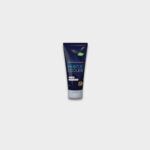
Muscle Cooler
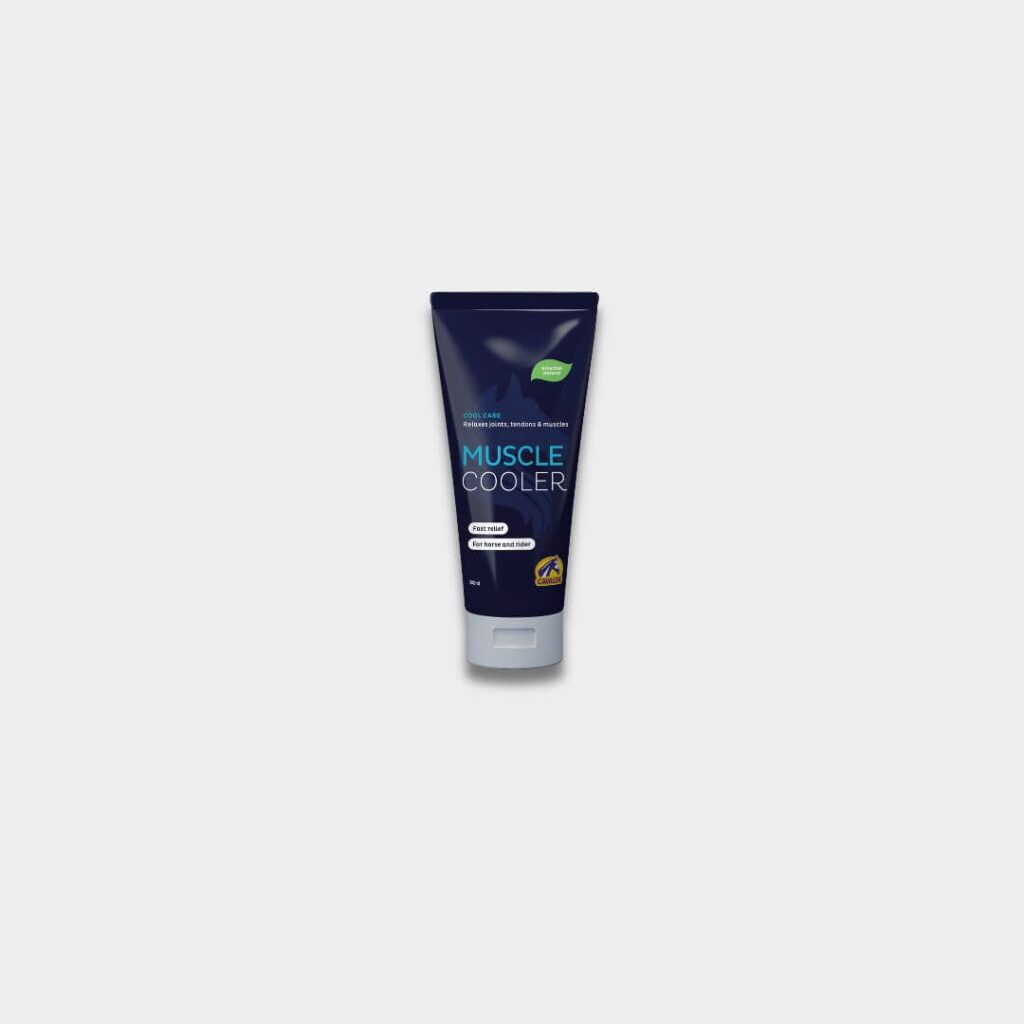
Cooling gel that aids in tendon and muscle recovery post-workout by preventing muscle aches and stiffness.
More about this product
Cavalor Muscle Cooler is a cooling gel that promotes recovery in the joints, tendons and muscles. The active ingredients in Cavalor Muscle Cooler support the cool-down and recovery phases by alleviating muscle pain and stiffness in both you and your horse. Cavalor Muscle Cooler's formula is a combination of several essential oils with specific properties, providing optimum support in the recovery phase.
This special blend of oils ensures a synergetic effect that cools, relaxes the muscles, and combats pain. An optimum cooling-down in combination with the use of Cavalor Muscle Cooler promotes faster recuperation and helps to prevent injuries so that the horse can get back to top performance faster.
Cavalor Muscle Cooler's formula is a combination of several essential oils with specific properties to provide optimum support in the recovery phase. This special blend of oils ensures a synergetic effect that cools, relaxes the muscles, and combats pain. An optimum cooling-down in combination with the use of Cavalor Muscle Cooler promotes faster recuperation and helps to prevent injuries so that the horse can get back to top performance faster.
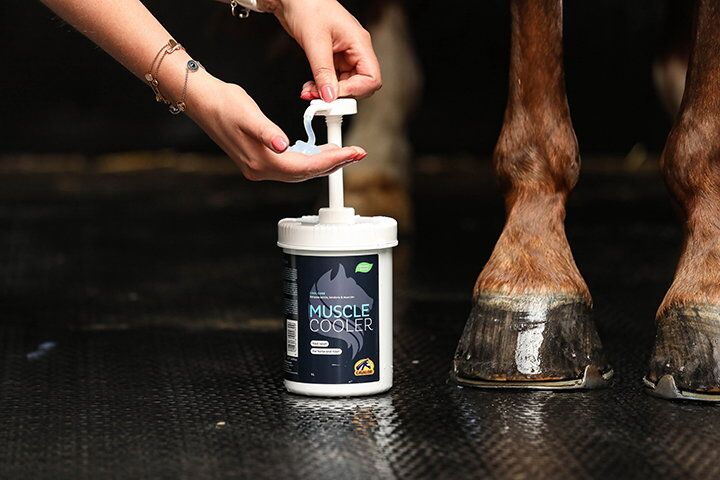
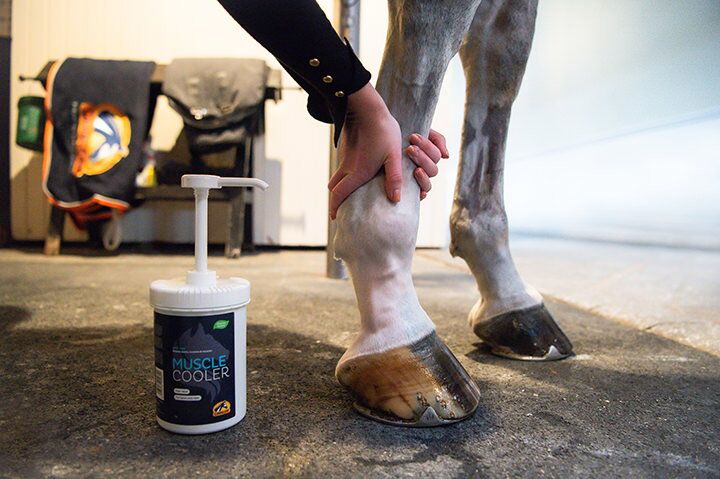
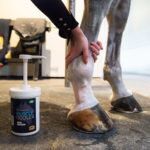
Apply Cavalor Muscle Cooler to the legs and the back to treat tendons and muscles. Massage a thin coat of Cavalor Muscle Cooler into the muscles after exercise. It is safe to bandage the leg after applying Cavalor Muscle Cooler.
Cavalor Muscle Cooler is not only for treating horses. A rider's muscles and tendons also need care after exertion. Apply a thin coat of Cavalor Muscle Cooler and massage in after exercise to prevent stiffness the following day.
Warning: Do not use Cavalor Muscle Cooler on inflamed or bruised skin. For external use only.
Did you know?
Tendons are stiff structures that connect muscle to bone. Tendons cannot shorten or lengthen on their own – this movement is caused by the muscle to which they are attached. Tendon damage is caused by severe overloading or overstretching. A tendon can also be injured by a kick from another horse or from overreach.
When tendons are damaged, antibodies are transported in fluid and oedemas are evident. This process, however, also eliminates healthy tissue. In order to prevent further damage to tendons, this natural healing process should be tempered without being curbed.
The blood supply in tendons is poor compared to other structures in the body. This impairs the supply of nutrients and the elimination of waste products, slowing recovery. Tendon injuries should be treated as quickly as possible and the tendons should be supported through preventive measures.
And what about the muscles?
If the muscles are not adequately prepared for effort or if exercise is harder than usual, the walls of the muscle fibres may also rupture . The body reacts by sending antibodies to the damaged zones. An inflammatory reaction develops. Damage to the muscles leads to the release of substances which activate the nerves in the muscles. These make the horse's muscles painful and stiff.
Muscle soreness mostly occurs about 12 hours after exercise and is most severe about 24–48 hours after exercise. The muscle fibres recover from acute damage after 3–4 days, but may take up to 4–6 weeks to completely recover and become stronger. Accelerating muscle recovery means that the body can do hard work again sooner.
Do you have a question about this product? We are here for you
Personal advice
Online ration calculator
Leave a review
We'd love to hear what you think of a product, how often you use it and what it has changed for you
Tell us what you think!What our community thinks